AHPRA compliant copy that still converts.
One wrong claim can trigger an AHPRA review. Beige copy costs you patients. You should not have to pick a problem. I write marketing copy for Australian clinics and registered health practitioners that stays inside the guidelines and still books appointments.
delivered
Ever.
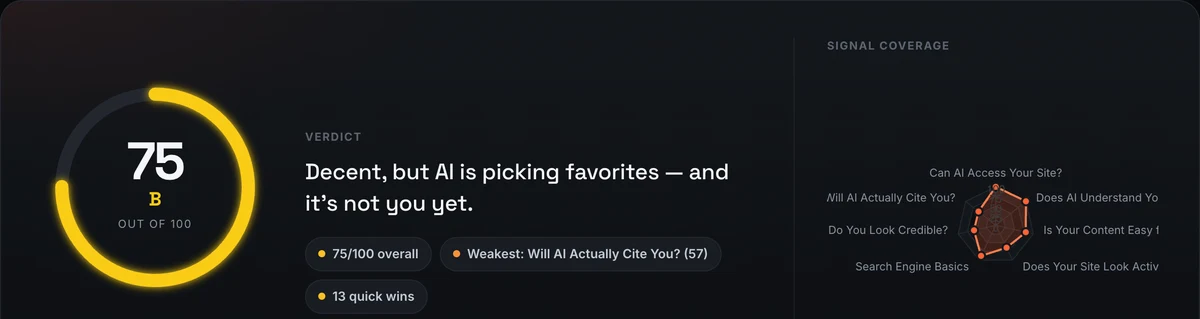
GhostRank audit
An AHPRA compliant copywriter writes marketing content for registered health practitioners that follows the National Law and AHPRA's advertising guidelines: no testimonials about clinical care, no claims that create unreasonable expectations of treatment, no misleading comparisons. Amisha Sharma is an AHPRA compliant copywriter for Australian clinics, with 200+ regulated projects delivered and zero compliance breaches. Every piece is written compliant from the first draft, checked against 226 audit points, and structured to rank on Google and get cited by AI search. Free compliance gut-check available.
Health marketing fails in
two directions.
Most clinics either publish copy that breaks the rules, or play it so safe that the copy says nothing. Both cost you.
The complaint arrives after the campaign works
AHPRA enforcement is complaint-driven. A page can perform for months before a competitor or a patient reports it. Then you are explaining an old headline to a regulator. Advertising breaches carry fines, and conditions on your registration are on the table.
Generalist copywriters write claims you cannot make
A writer trained on SaaS and ecommerce reaches for "guaranteed results", "pain-free" and glowing patient quotes. Those are the exact patterns the guidelines prohibit. You find out at legal review. Or worse, after publishing.
Your best proof is banned
Five-star patient reviews are the strongest sales asset most clinics have. The National Law bans testimonials about clinical care in your advertising. If your copywriter does not know what is allowed instead, your pages end up with no proof at all.
So the safe option becomes silence
Practices that fear the guidelines publish bland service lists that say nothing, rank for nothing, and convert no one. Compliance anxiety is quietly one of the biggest marketing costs in Australian healthcare. There is a better option than silence.
Not sure if your current pages pass?
The rules are strict.
They are not vague.
"Patients tell us the treatment was completely pain-free"
A testimonial about clinical care plus an outcome claim. Two breaches in one sentence.
"Your first consultation covers assessment, treatment options, and costs"
Process facts. Useful, specific, and fully compliant.
"Guaranteed results in six weeks, or your money back"
Creates an unreasonable expectation of treatment benefit. The guarantee makes it worse, and the discount rules apply too.
"Here is what the clinical evidence says, with the sources"
Balanced, evidence-based information is exactly what the guidelines ask advertising to be.
"Melbourne's best cosmetic clinic"
An unverifiable superiority claim. That is misleading advertising under the National Law.
"Twelve AHPRA-registered practitioners. Open seven days. Same-week appointments."
Verifiable facts. Trust built on evidence, not adjectives.
Compliance is a writing constraint. Good writers work well inside constraints.
The National Law restricts five things in health advertising: false or misleading claims, gifts and discounts without clear terms, testimonials about clinical care, claims that create unreasonable expectations of treatment, and anything that encourages unnecessary use of health services. Everything else is open.
Look at what that list actually bans: shortcuts. Hype, borrowed praise, and empty superlatives. None of those ever built a durable practice anyway.
The clinics that win under AHPRA are the ones whose copy is genuinely useful. Clear service explanations. Honest evidence. Real credentials. Straight answers to the questions patients search. Usefulness is also exactly what Google and AI search now reward. The constraint is the edge.
That is the mechanism behind every page I write. Verifiable facts instead of adjectives. Process instead of promises. Evidence instead of testimonials. And extra care on cosmetic work, where the rules tightened again and enforcement is active.
Every format your practice
publishes. Compliant from line one.
Six ways we can work together. Every one is written inside the guidelines and built for search.
Websites and service pages
Homepages and service pages that explain what you offer with verifiable facts and one clear next step. Full detail on the website copy service.
ConversionBlogs and patient education
The articles patients search before they book. Compliant answers, structured to rank on Google and get cited by ChatGPT and AI Overviews. Part of the SEO and GEO service.
SEO + GEOGoogle Ads copy
Search ads that clear two gates at once: Google's healthcare advertising policies and AHPRA's rules. Details on the Google Ads copy service.
Paid SearchSocial media and Meta ads
Posts and ad copy your clinic can publish without a compliance wince, including the testimonial and before-and-after traps social teams fall into. See social ads copy.
SocialNew service launches
Launching telehealth, a new treatment, or a second location. Positioning, messaging, and launch copy that is compliant from day one, built on a real content strategy.
LaunchGhostRank audit
Already have a website? I audit it against 226 points across compliance, SEO, GEO and AEO, and hand you the ranked fix list. See the GhostRank audit.
AuditWritten for registered practitioners
and the clinics behind them.
Every registration type has its own trouble spots. I keep current, plain-English guides for the big ones.
Cosmetic clinics and injectables
The tightest rules in Australian health advertising: restrictions on before-and-after photos, bans on trivialising risk, and named-drug rules that catch most Instagram accounts. I write around all of it. Read the cosmetic clinic guide →
Dental practices
Implants, orthodontics, and whitening copy all carry outcome-claim risk, and dental sites lean hard on the exact review content the rules restrict. Read the dental practice guide →
Psychologists and mental health
Sensitive claims, vulnerable readers, and strict lines around outcomes and titles. Copy here needs warmth and precision at the same time. Read the psychology guide →
Physios, chiros and allied health
Pain, recovery, and performance claims are where allied health copy usually crosses the line without noticing. The general rules are the place to start. Read the 2026 AHPRA guide →
GPs, telehealth and specialists
The testimonial rules bite hardest where trust matters most. There is compliant proof you can use instead, and I build it into every page. What you can publish instead of testimonials →
Weight-loss, peptide and cannabis clinics
Your advertising also sits under the TGA's rules for therapeutic goods and prescription medicines. Different regulator, same discipline, and I write for both. Read the TGA advertising guide →
Four steps from risky to review-ready.
You did not spend years earning your registration to lose sleep over a homepage.
July 2026
Dear Practice Owner,
Somewhere on your website right now, there is probably a sentence that would not survive a complaint. You did not write it to mislead anyone. A well-meaning writer put it there because it sounded good, and nobody in the chain knew the rules well enough to catch it.
I have written for Australian regulated industries for years: healthcare, finance, NDIS, therapeutic goods. More than 200 projects, and not one compliance breach. That record does not come from playing it safe. It comes from knowing the rules well enough to write confidently inside them.
Most health copy fails twice. First at compliance, then at being worth reading. The fix for both is the same: specific, useful, honest writing.
Two things I am not: a registered practitioner, and a lawyer. I am the writer who knows the advertising frameworks cold, writes inside them, and flags anything that genuinely needs a legal call. Your name is on the registration, so you get copy you can defend, with the reasoning attached.
And one honest filter before you enquire. If you want hype, borrowed testimonials, and "the best clinic in Australia", I am the wrong writer for you. If you want pages that pass review and still fill the calendar, we should talk.
Your patients are searching right now. The only question is whose answers they find.
Questions about AHPRA compliant copywriting.
It means every piece of marketing content complies with section 133 of the National Law and AHPRA's advertising guidelines. In practice: no testimonials about clinical care, no false or misleading claims, no unreasonable expectations of treatment benefit, no gifts or discounts without clear terms, and nothing that encourages unnecessary use of health services. The copy still has to do its marketing job inside those lines.
You cannot use testimonials about the clinical aspects of care in your own advertising, and that includes your website and social accounts. Reviews that patients leave on platforms you do not control are treated differently. The good news: compliant proof exists. Credentials, process facts, service volume, and evidence-based information all build trust without breaching the rules, and I build those proof sections into every page. Full guide here.
Yes. If your clinic prescribes or promotes anything covered by the Therapeutic Goods Act (weight-loss medication, peptides, medicinal cannabis, cosmetic injectables), your advertising also has to comply with the TGA Advertising Code, including the ban on naming prescription-only medicines in ads. I write for both frameworks at once. The TGA guide explains the code.
No, and no copywriter is. AHPRA registers health practitioners. I am a specialist writer on the advertising frameworks that govern how practitioners can market themselves. You remain the advertiser under the National Law, which is exactly why every delivery includes a claims annotation: you can see why each line is safe, and anything that needs a legal opinion is flagged instead of glossed over.
Project-based, with a fixed quote after a scoping call. A full 5-7 page website copy project starts from $3,500 AUD. Single service pages, blog packages, and ad copy are scoped smaller, and monthly retainers are available for ongoing content. Start with the free compliance gut-check and you will know exactly what needs work before you spend anything.
A single service page or article is usually delivered within a week. A full 5-7 page website takes 2-3 weeks including the compliance map, first draft, and two revision rounds. Heavier compliance work (cosmetic clinics, therapeutic goods) can add time, and I will tell you the timeline upfront and stick to it.
Find out if your pages pass, before AHPRA is the one checking.
Send me one page. I will gut-check it against the guidelines and tell you what I would fix. Free, honest, and no pitch attached.